


The cement pipe mold features a reinforced, leak-proof design, with smooth, burr-free pipe joints and easy, convenient mold opening. The friction ring inside the mold is made of high-quality cast steel, offering excellent wear resistance. Operators using this mechanical equipment should understand its structure and operation. Below is an introduction to the mold assembly process and related precautions.
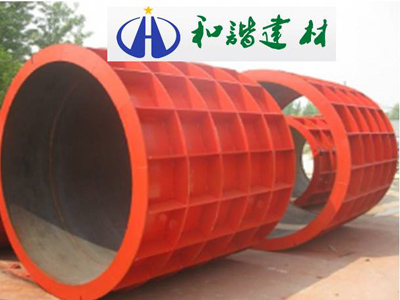
1. Carefully apply machine oil to the spigot ring of the cement pipe mold and install a slit bolt to create a gap between the inner side of the steam-cured spigot ring and the pipe spigot, preventing damage to the pipe spigot when removing the spigot ring.
2. Evenly apply clean machine oil to the inner wall of the outer mold. Close the mold outside the reinforcing steel frame, connecting the joint bolts, taking care to prevent the reinforcing steel ends from getting stuck in the joint.
3. Tighten the joint connecting bolts in sequence, using moderate tightening force to prevent grout leakage and mold out-of-roundness. To facilitate the smooth insertion of the spigot ring into the top of the outer mold later, temporarily avoid fully tightening the two bolts at the top of the joint, leaving them in place before tightening them further.
This concludes the brief introduction to the cement pipe mold equipment process and precautions. For more detailed information on cement pipe manufacturing machinery, molds, etc., please contact us by phone.
7. If any problems arise during use that you cannot handle yourself, seek assistance from professionals or technicians.
Cement pipe-making machinery requires constant attention to proper operation and maintenance to minimize malfunctions and extend its lifespan. For those interested in purchasing related machinery, please feel free to contact us.